


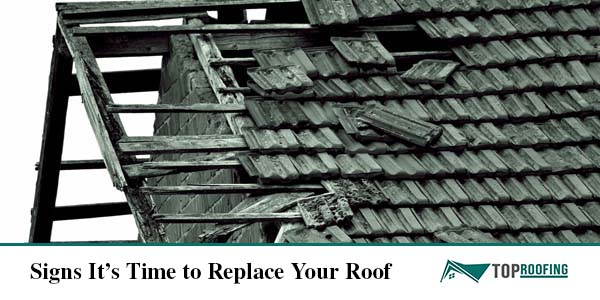
Best practices state that your roof should be tested and checked twice a year, usually in the spring and fall. How much you need a complete inspection depends on what's made of your roof. Different roofing materials degrade at different rates, so every three years, composite, asphalt, and wooden shingles typically need a skilled inspection, while every five years, a tile roof can need one.
These variables could prompt you to call a professional and replace your roof.
Note : it is possible that doing so would minimize your home insurance bill.
A good starting point for deciding when it's due for a repair is the age of your roof. Usually, experts suggest a roof can last about 20 years, but that also depends on the roof's composition. This is the standard longevity of the following roofing materials:
Steady metal seam roof: 30 to 50 years
Wood shake shingle roof: 35 to 40 years old
Clay tile roof: 40 to 100 years old
Slate roof: more than 100 years
Roll roof asphalt: 5 to 10 years
Shingle roof composite: 15 years
Shingle wood roof: ~25 years
The care and maintenance of your roof also matter. For instance, after no more than 20 years, a roof built over an existing layer of shingles should be replaced.
A roof valley is typically a metal V-shaped channel located in the roof's "folds." The valley lets snow and rain flow into the gutter from your roof. If you have rusted valleys, your roof will leak into your house.
You have to have the shingles lying flat against the roof. Your roof shows signs of significant wear if it is curling, buckled, or damaged.
A particular way to check? For shingle granules, check your gutters and downspouts. Roofs reaching the end of their lives tend to shed these after a storm easily.
A trip to your attic is in order if you're contemplating having a new roof. You can check the roof deck from here and look through the roof boards for daylight, which is a sign that water has an entry point into your house.
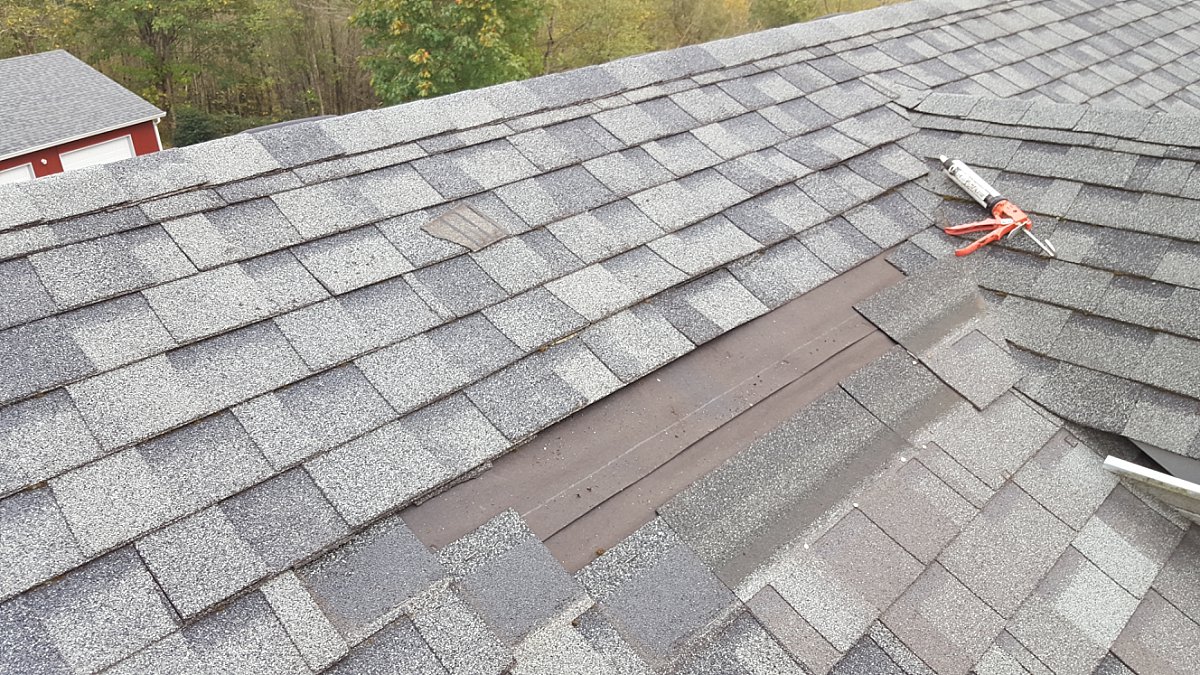
Normally, a roof that traps moisture is one that requires a replacement. There are a few ways to detect signs of moisture on your roof:
On and around the roof, search for moss, mold, and fungi.
Watch for the roof to sag and for rotting boards.
Check the insulation in the attic – if it's damp or moist, you definitely have a roof leak.
If shingles, tiles, or tabs are missing from your roof, you must at least fix the missing components. At worst, this could be another indication that the beneficial days of your roof are numbered.
The flashing on your roof around the vents, skylights, and chimney helps fortify these openings against leaks. That's why making sure there are no cracks or breaks in the flash is extremely important, particularly if it's made of cement or tar, which erodes over time. Flashing metal generally has a longer life.
Any harm does not necessarily mean that you need to fully rebuild the roof. But if you see a few of the signs mentioned in this guide, call a roofing specialist to get an expert opinion and get your roof inspected. This could be a good opportunity for you to make your roof more wind-resistant, too, if you're in a hurricane-prone area.

 Roofing
So a leak has come out of your roof! What would you do while waiting for roofing maintenance to make repairs to stop the flow of water? Here are easy fixes that will help avoid water damage to the roof deck and to the interior of your house, but not permanent.
 Roofing
During a regular roof inspection, a roofing specialist will check the current insulation and let you know when it's time to consider adding more insulation. When insulating attic roof areas, they will also help you get a better understanding of how much it normally costs.
 solar energy
Roofing
Solar panel
solar energy
Roofing
Solar panel
If you're searching for ways to reduce business expenses, then looking for ways to save energy is one of the best places to start. There are several basic hacks you can incorporate for energy savings that will reduce your energy costs.
 Roofing
Types of Metal Roofings, Advantages, and Disadvantages Metal roofs are all made of recycled materials that are identical but vary in shapes, sizes, and thicknesses. It's important to weigh the advantages and disadvantages of each type to find out which metal roof is right for you.