


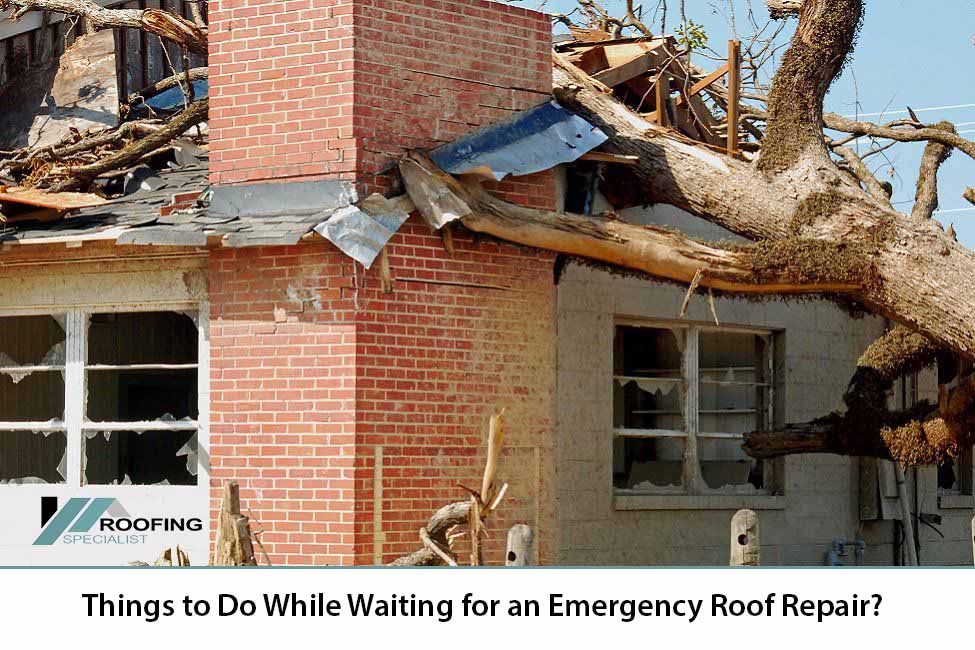
So a leak has come out of your roof! What would you do while waiting for roofing maintenance to make repairs to stop the flow of water? Here are easy fixes that will help avoid water damage to the roof deck and to the interior of your house, but not permanent.
Consider purchasing a few gallons of roofing tar and spreading it over the entire roof for a small roof or roof portion that is generally deteriorating. Use a stiff broom with short bristles, like a corn broom. Hold the tar inside near a heat source in cold weather before you're able to spread it on. It is going to spread more smoothly.
For this, you will need a fresh wood shake, available at the local building supplies store. You can cut a temporary shakeout of O.S.B or plywood in a pinch. Remove the damaged wood shake. You will have to break it and separate it from the nails used to mount it. Do it softly so that the surrounding shakes. Next, slide the fresh shingle into the old one's left slot. Drive a few roofing nails through it at an angle neat to the top when it's 1⁄2 " from being in place all the way. Then, at the bottom of the shingle, put a block of wood and use a hammer to tap the block, forcing the shake into place.
If a broken rubber boot around a vent is the cause of the leak, tar should do the job in the short run. Next, with good-quality duct tape, cover the gap. Then, brush the area an inch or so above the edges of the tape with tar.
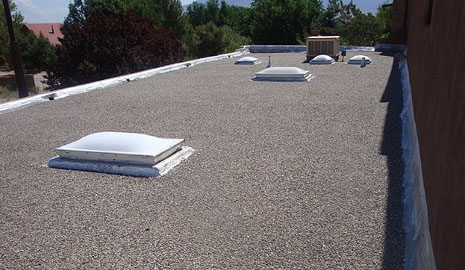
Get a can of high-grade roofing tar and cover it well if you can find the leak, maybe a missing or broken shingle. For the best seal, press the tar into any gaps or cracks. Spread the tar in any direction beyond the leak for several inches.
It can be very difficult to locate a leak. If you have one, start in your attic and find where water comes in. You know that even though it's not the exact spot where the roof fails, the spot would be farther up from it and vertically in the general direction of the roof. Cover the roof from just below the leak until the leak is detected. Make sure that the tarp stretches over the roof ridge. Put the lower one on first and secure it, if you have to layer tarps. Then, overlap at least 15 inches over the upper one.
Let's say a big, heavy branch fell on the roof and punctured the roof with a 4 inches hole. It's too big for tar. Instead, get a piece of flashing roof - inexpensive it's and accessible at all home improvement stores and some roofing cement. The tar could work for a few days to a week as well. Slide the flash up above the damaged spot under the nearest shingle or shingles and cover the opening. Keep it in place using the roofing cement or tar.
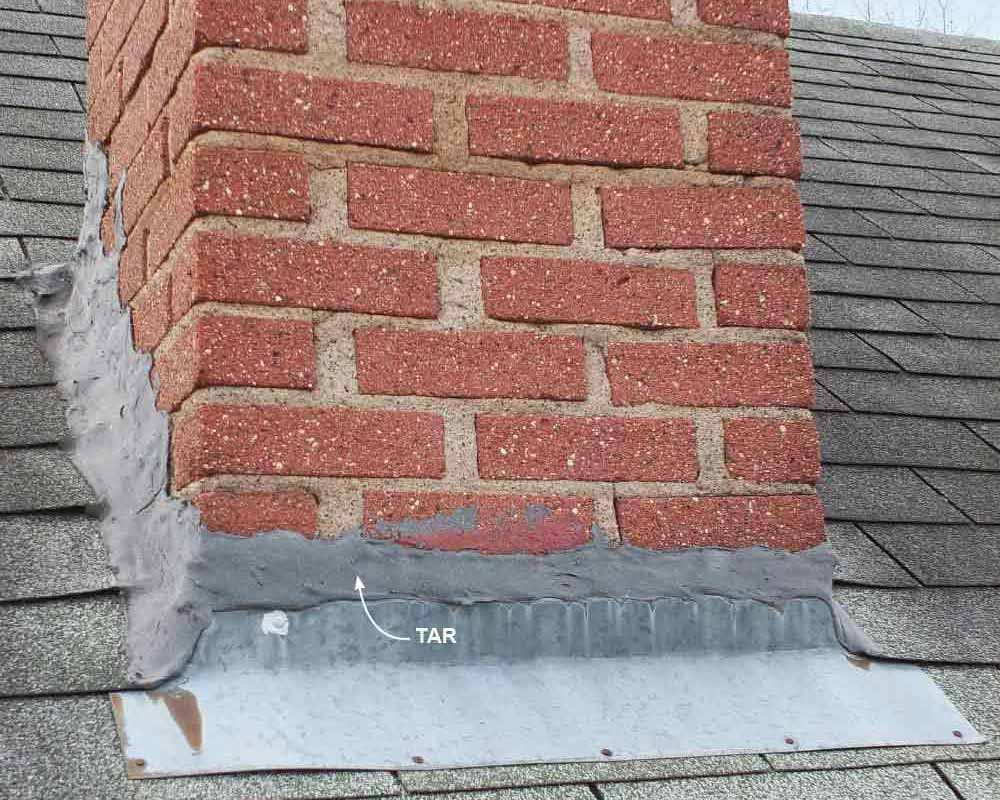
If the problem is damaged flashing around a chimney or against a second-story exterior wall, use better cement for roofing to fill the void. Check it for settlement in 24-48 hours and fill it up as needed.
If a combination of old shingles and an ice dam near the eave leaks from your roof, removing the ice dam will stop the leak while you are awaiting repairs. Shovel away the remaining snow and then use a hammer and screwdriver to hack away at the ground. Go slow when you get down near the roof. To melt the last inch or so of ice, turn to hot water rather than risk damaging the roof with the hammer and screwdriver.
Always Remember If there are tropical storms or hurricanes where you live, consider planning a hurricane preparedness kit in advance. Several large tarps, fasteners for the tarps, step flashing, and tar or cement roofing should be included. Buy the products well in advance because home improvement stores are always low on these items when storms approach.
Then, if your roof is weakened by the wind, you'll be able to easily cover the affected areas to avoid secondary rain damage. Before considering getting on your roof, make sure the high winds of the storm had ended. Think first about protection. Your home insurance is going to compensate for the cost, so it's not worth your life's risk.

 Roofing
Best practices state that your roof should be tested and checked twice a year, usually in the spring and fall. How much you need a complete inspection depends on what's made of your roof.
 Roofing
During a regular roof inspection, a roofing specialist will check the current insulation and let you know when it's time to consider adding more insulation. When insulating attic roof areas, they will also help you get a better understanding of how much it normally costs.
 solar energy
Roofing
Solar panel
solar energy
Roofing
Solar panel
If you're searching for ways to reduce business expenses, then looking for ways to save energy is one of the best places to start. There are several basic hacks you can incorporate for energy savings that will reduce your energy costs.
 Roofing
Types of Metal Roofings, Advantages, and Disadvantages Metal roofs are all made of recycled materials that are identical but vary in shapes, sizes, and thicknesses. It's important to weigh the advantages and disadvantages of each type to find out which metal roof is right for you.