


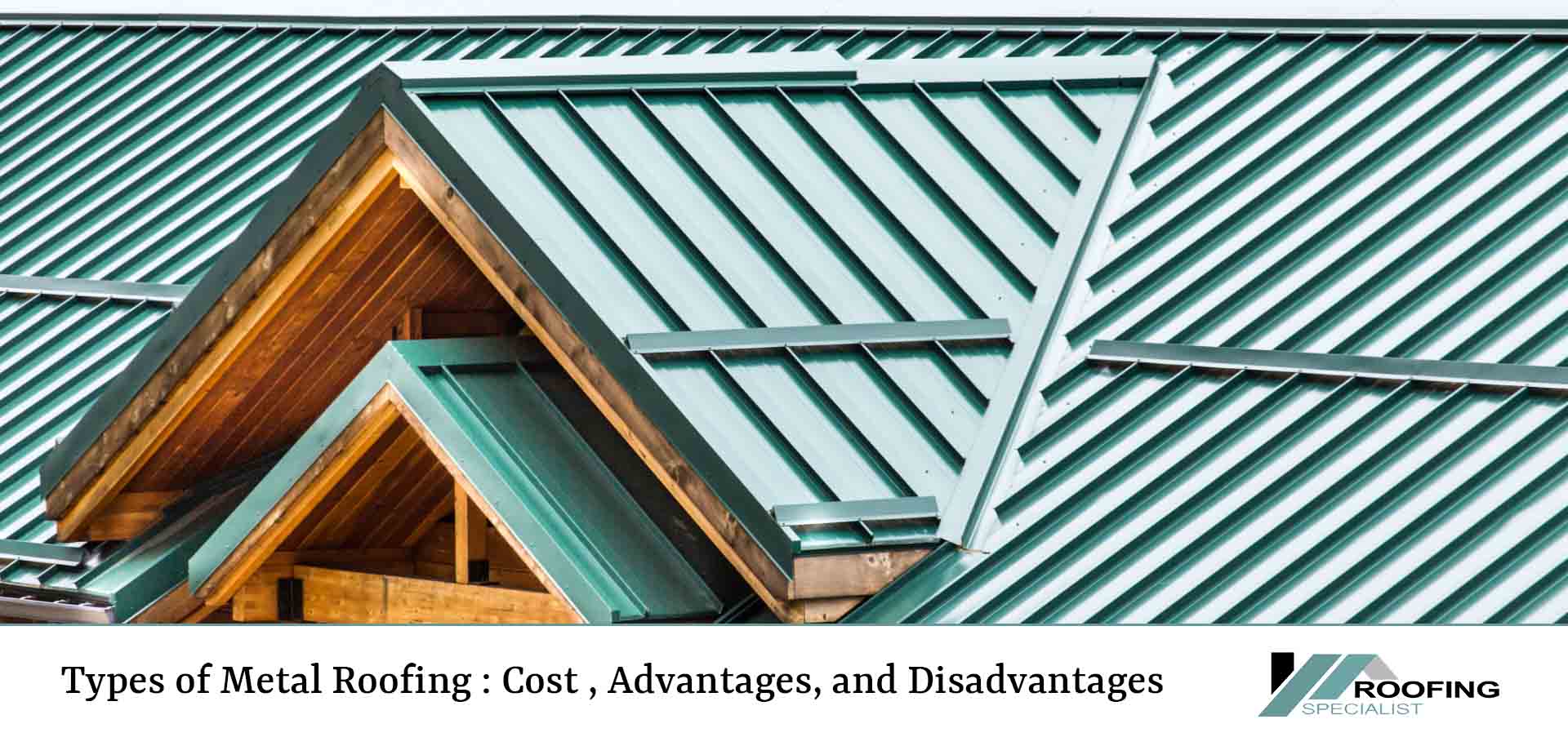
Metal roofs are worth the hefty price tag if you're thinking about building a new roof and planning to remain in your home for a long time. Usually, metal roofs do not need much maintenance or repairs for up to 30 to 50 years. In addition to their durability, they are renewable, energy-efficient, and environmentally friendly. There are a number of types to consider if you're interested in building a metal roof for your house.
Metal roofs are all made of recycled materials that are identical but vary in shapes, sizes, and thicknesses. It's important to weigh the advantages and disadvantages of each type to find out which metal roof is right for you.

While zinc is mostly used as a special coating for other metals, such as galvanized steel, sheets, and roofing panels are still sold. Zinc, which is fully recyclable and able to be reused, is highly environmentally friendly.
Advantages of Zinc Roofing
Long-lasting: Zinc is one of the longest-lasting products for metal roofing, with a lifetime of well over 60 years. It is resistant to fire and prevents mold from being made.
Doesn't rust: It forms a protective coating known as patina when zinc is oxidized. If it gets scratched or damaged, this layer prevents the metal from rusting and reforming.
Disadvantages of Zinc Roofing
Expensive: Zinc, with an additional $10-$15 per square foot for installation, will cost up to $8 per square foot, making it one of the most costly metal roofing materials.
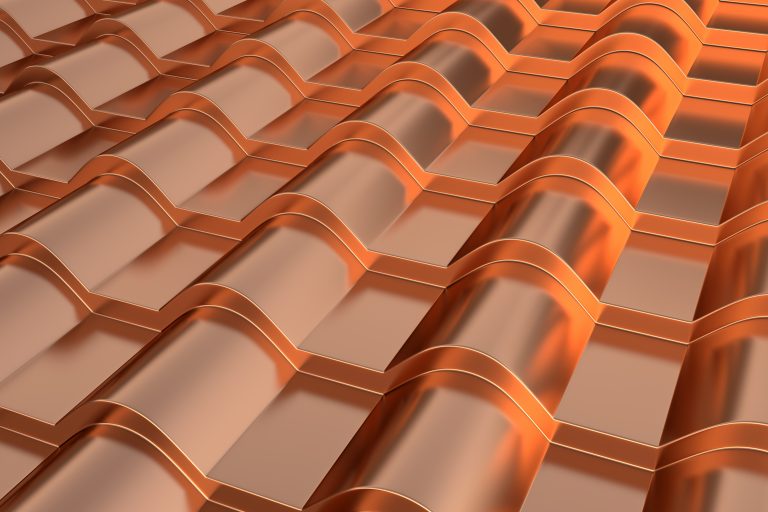
For centuries, copper has been used as a construction tool, most notably in cathedrals and castles. Due to its strength, energy savings, and resistance to damage and blemishes, it is common among roofing alternatives.
Advantages of Copper Roofing
Recyclable: Copper is fully recyclable and can help minimize the number of carbon footprints.
Energy efficiency: Instead of absorbing them, a copper roof absorbs UV rays, keeping your house cool and saving you money.
Long-lasting: Although its bronze color will shift over the years to shades of green due to corrosion, copper roofs can last anywhere to a hundred years.
Disadvantages of Copper Roofing
Dent: In heavy rain or hail storms, copper is also a softer metal and is vulnerable to denting.
Expands: Copper appears to expand and contract for homeowners in climates where temperatures change regularly, causing harm to the house.
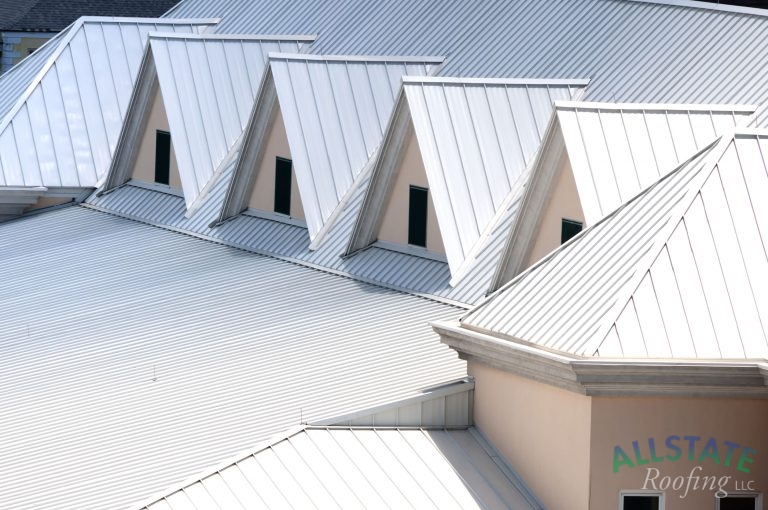
Thanks in part to their durability and high wind and fire resistance, aluminum roofing installations have increased recently. While other roofing materials can decay over time, such as asphalt, wood, and concrete, aluminum roofs do not easily rust or display signs of damage. Aluminum is simpler and cheaper to mount than other metals due to its lightweight materials.
Advantage of Aluminum Roofing
Environmental-friendly: Aluminum roofing is entirely recyclable and contains recycled materials. Over existing shingles, it can also be installed, saving waste materials.
Wind and corrosion-resistant: Aluminum roofing is also better suited for coastal climates due to its ability to avoid salt corrosion and can usually prevent wind damage of up to 140 MPH. Cons of roofing with aluminum
Disadvantages of Aluminum Roofing
Vulnerable to denting: As aluminum is a softer metal, hail storms and other forms of impact and can easily dent or damage the roof.
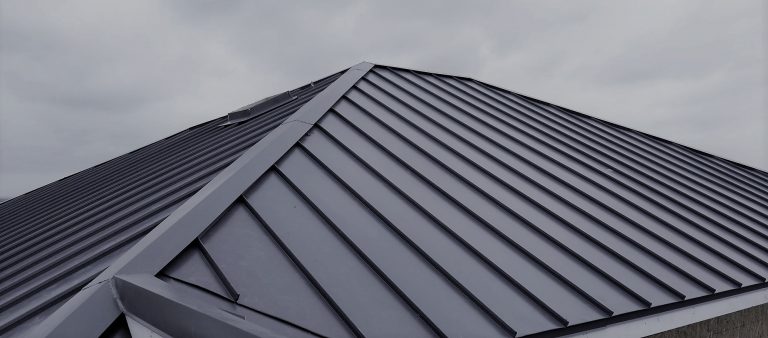
Steel, primarily due to its recyclability and low prices, is today one of the most popular materials for commercial and residential metal roofing systems. Galvanized steel and galvalume steel are the two types of steel mostly used. These types are coated with a combination of other metals, such as aluminum and zinc, that prevent corrosion of the steel roof panels.
Advantages of Steel Roofing
Cost-effective: Steel is the cheapest choice for metal roofing, costing up to $5 per square foot.
Durability: Steel is one of the hardest metals available, making it a good choice if harsh weather conditions such as snow or hail are often encountered.
Disadvantages of Steel Roofing
Rust: While a steel roof is usually resistant to red rust, it can begin to develop white rust if the steel core is exposed at any point, weakening the metal over time.
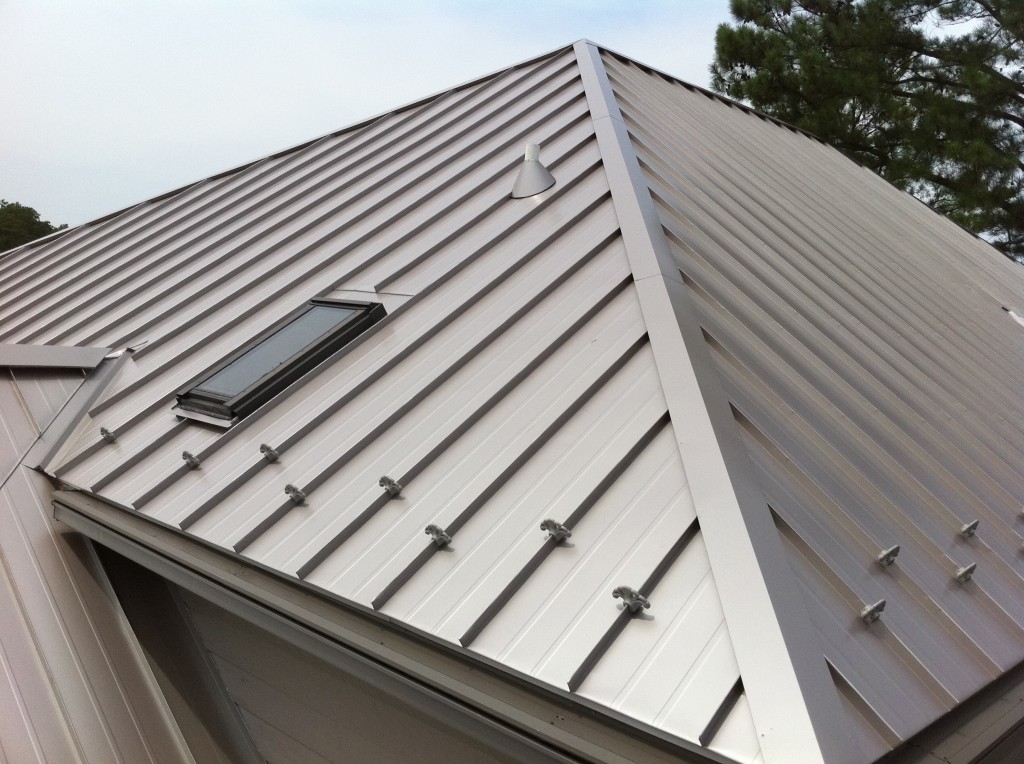
One of the most robust and longest-lasting types of metal roofing panels available is standing seam metal. Although it does come with a hefty price tag that costs up to $30,000, one of the longest-lasting choices with little maintenance is a standing seam metal roof.
Advantages of Standing Seam Metal Roofing
No exposed fasteners: Standing seam metal roofs have fasteners that are covered, removing the risk of any moisture leaking through. Panels nailed together feature other metal roofs, where standing seam metal panels overlap each other.
Durable: up to 75 years will last for a standing seam roof, more than double the life of a traditional asphalt shingle roof.
Disadvantages of Standing Seam Metal Roofing
Expensive: Standing seam metal, in addition to the materials, is one of the most costly choices you can purchase, typically costing $10 per square foot to build.
Metal roofs average around $20,000 to build, but depending on the materials, they can cost much more. Although prices typically range from $11-$12 per square foot for metal roofing installations, prices vary between materials. Let's decide within your budget which metal roof is.
| Roof Material | Price |
|---|---|
| Zinc | $4-$8 per square foot |
| Steel | Galvanized steel: $2-$4 per square foot, Galvalume steel: $3-$5 per square foot |
| Metal | $4-$6 per square foot |
| Copper | $8-$15 per square foot |
| Aluminum | $3-$7 per square foot |
Metal roofs can be costly, but in the long run, the advantages of metal roofing can save you money. Its low maintenance and reliability are some of the benefits of metal roof systems, but they often last double the amount of time and have longer guarantees than a standard asphalt roof. It is probably better to employ an experienced roofing specialist while installing metal roof panels yourself is doable. Metal roofing is a good choice if you intend to stay at your home for a long period of time and live in an environment that experiences severe weather conditions such as hurricanes, wildfires, or snow.
_1613673813.png)
 Roofing
Best practices state that your roof should be tested and checked twice a year, usually in the spring and fall. How much you need a complete inspection depends on what's made of your roof.
 Roofing
So a leak has come out of your roof! What would you do while waiting for roofing maintenance to make repairs to stop the flow of water? Here are easy fixes that will help avoid water damage to the roof deck and to the interior of your house, but not permanent.
 Roofing
During a regular roof inspection, a roofing specialist will check the current insulation and let you know when it's time to consider adding more insulation. When insulating attic roof areas, they will also help you get a better understanding of how much it normally costs.
 solar energy
Roofing
Solar panel
solar energy
Roofing
Solar panel
If you're searching for ways to reduce business expenses, then looking for ways to save energy is one of the best places to start. There are several basic hacks you can incorporate for energy savings that will reduce your energy costs.